
New Chemistries to Address Drug Discovery Needs
Dustin Cefalo
April 21, 2026
Products Mentioned:
Categories
PEGs, Oxaboroles, and BODIPYs for Modern Drug Discovery
Successful drug discovery depends on more than identifying a promising target or synthesizing a novel molecule. Research teams also need the right supporting chemistries to solve practical challenges throughout the discovery process: improving compound behavior, enabling better assays, expanding chemical space, and generating clearer biological insight. Frontier Specialty Chemicals’ new product lines — PEGs (in partnership with AMT), oxaboroles, and BODIPY dyes — are designed to help address those needs across modern drug discovery workflows.
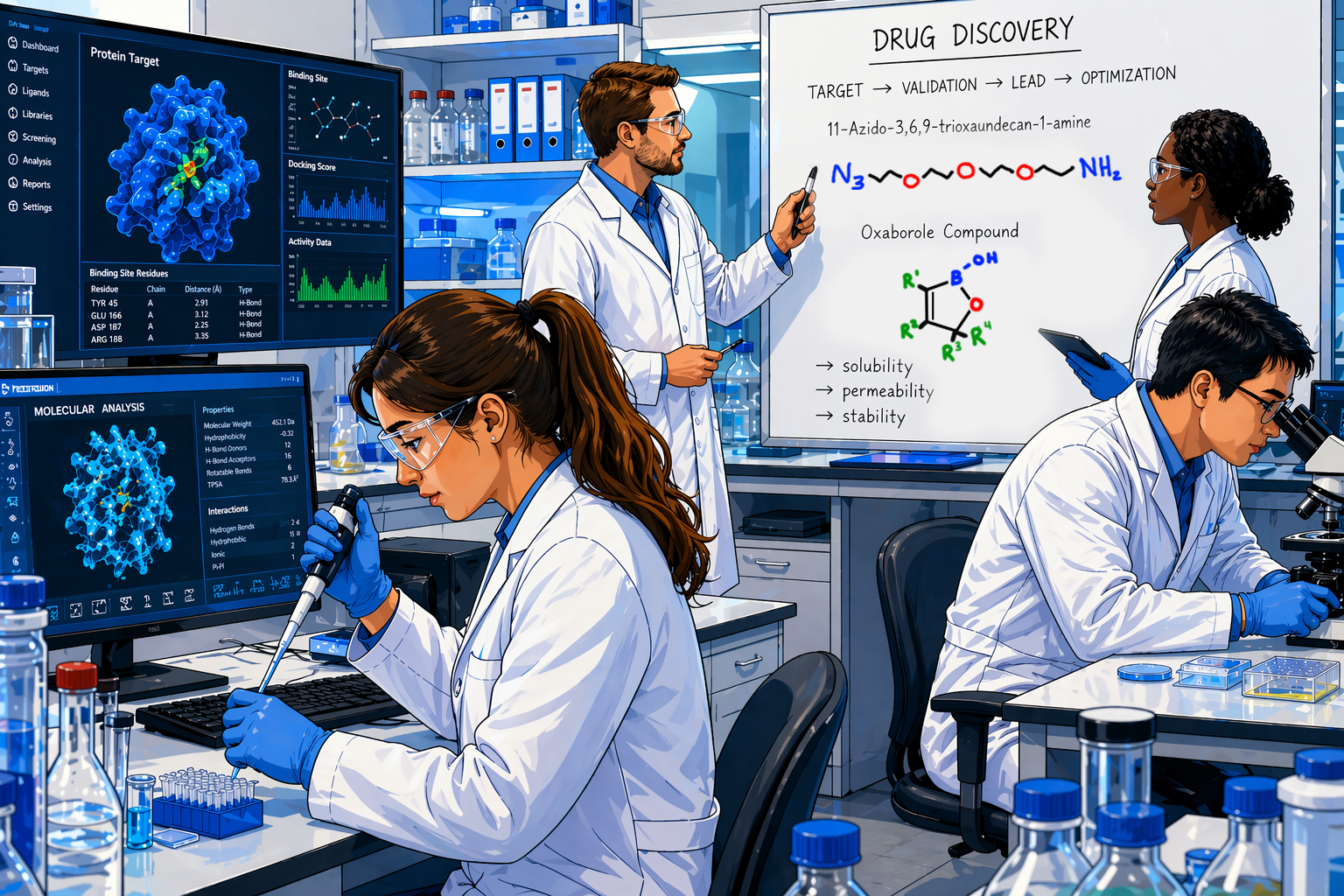
- PEGs support conjugation, linker design, and delivery-oriented optimization.
- Oxaboroles provide a differentiated scaffold for medicinal chemistry innovation.
- BODIPY dyes enable fluorescent probe development, imaging, and stronger assay performance.
PEGs: Addressing design and delivery challenges
One of the recurring challenges in drug discovery is translating a useful molecular idea into something that performs well in a biological or experimental setting. A compound may show interesting activity, but poor solubility, instability, aggregation, or limited compatibility with conjugation strategies that can slow progress. Functionalized PEGs are valuable because they help address many of these issues at the design stage.
![Molecular structure for PEG N-[2-[2-[2-(2-azidoethoxy)ethoxy]ethoxy]ethyl]-4,6-dichloro-1,3,5-triazin-2-amine, also known as Azido-PEG4-dichlorotriazine (CAS 604766-22-5), from Frontier Specialty Chemicals.](https://frontierspecialtychemicals.com/wp-content/uploads/2026/02/AMTGCH384-AT23-Square-510x510-1-300x300.png)
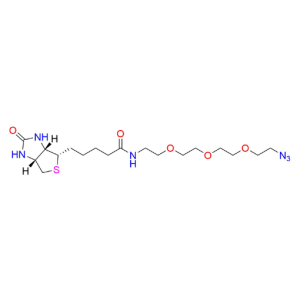
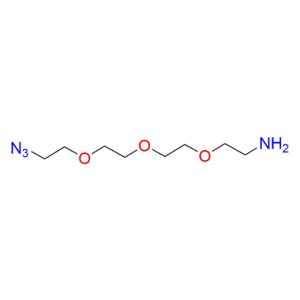
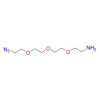
PEG-based compounds are widely used in linker construction, conjugation strategies, solubility tuning, and delivery-related research. In practice, this means they can help scientists connect functional components, adjust molecular spacing and flexibility, and improve the handling or presentation of compounds in systems where molecular architecture matters. For teams working in areas such as targeted delivery, bioconjugates, functionalized probes, or complex therapeutic formats, PEGs can be essential tools for building molecules that are not only synthetically accessible, but also more usable in downstream evaluation.
In the drug discovery field, PEGs help address needs that are both strategic and practical. They can support earlier-stage molecular design by making it easier to construct and refine linked systems, and they can support later-stage optimization by improving the behavior of compounds in relevant assays or biological environments. For researchers trying to move from concept to interpretable data, that kind of flexibility is highly valuable.
Oxaboroles: Expanding medicinal chemistry options and scaffold innovation
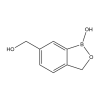
Another major challenge in drug discovery is the need for new and differentiated chemical matter. Many programs reach a point where familiar scaffolds no longer offer enough room for innovation, or where teams need to explore new structure-activity relationships to improve potency, selectivity, or overall profile. Oxaboroles are important in this context because they offer medicinal chemists access to a scaffold with distinctive chemical features and demonstrated relevance in pharmaceutical research.
![Molecular structure for 1-Hydroxy-1,3-dihydrobenzo[c][1,2]oxaborole-6-carbonitrile (CAS 947162-60-9), from Frontier Specialty Chemicals.](https://frontierspecialtychemicals.com/wp-content/uploads/2026/04/H36245-Square-510x510-1-300x300.png)
![Molecular structure for 1-Hydroxy-1,3-dihydrobenzo[c][1,2]oxaborole-6-carbaldehyde (CAS 1195621-94-3), from Frontier Specialty Chemicals.](https://frontierspecialtychemicals.com/wp-content/uploads/2026/04/H36219-Square-510x510-1-300x300.png)
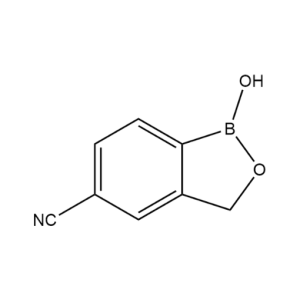
The oxaborole motif gives researchers an opportunity to move beyond crowded scaffold classes and investigate new directions in lead generation and optimization. This is especially important in drug discovery, where structural novelty can influence not only intellectual property strategy, but also biological behavior and the ability to uncover differentiated hits or leads. A broader scaffold toolkit gives teams more room to ask productive questions: What happens when binding interactions are approached differently? Can a known pharmacophore be improved through a new scaffold context? Can novel chemical space reveal better activity or selectivity?
By offering oxaboroles as a dedicated product line, Frontier helps address a real need in the field: access to scaffolds that support medicinal chemistry expansion and innovation. These compounds can be useful in hit finding, analog generation, and exploratory programs where researchers are looking for new starting points or new ways to optimize existing ones. In that sense, oxaboroles are not just interesting building blocks — they are tools for overcoming one of the central bottlenecks in drug discovery: the limited value of relying on the same chemical space over and over again.
BODIPY dyes: Improving assays and biological insight
Drug discovery also depends on the ability to measure biological activity clearly and reliably. Even strong compounds can be difficult to evaluate if assay systems are poorly optimized or if probe performance limits data quality. This is where BODIPY dyes can make a meaningful difference.
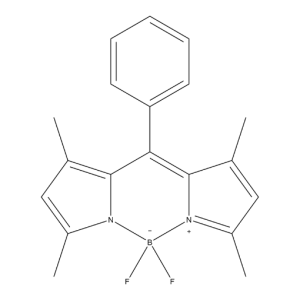
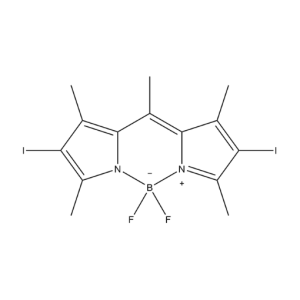
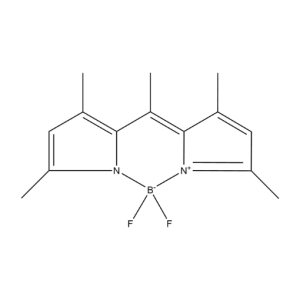
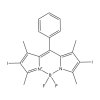
BODIPY dyes are highly useful for fluorescent probe design, imaging, labeling, and assay development. In drug discovery settings, these applications matter because fluorescence-based methods are used throughout the workflow — from mechanistic biology and target engagement studies to screening, localization experiments, and biomolecular tracking. Better fluorescent tools can lead to more sensitive assays, cleaner readouts, and more informative experiments.
For researchers designing probes, BODIPY-based compounds can help address the need for labels that integrate well into chemical and biological systems while still delivering strong signal performance. For teams developing assays, these dyes can support the creation of more robust fluorescence-based formats that improve confidence in the data. And for scientists studying where compounds go, what they bind, or how they behave in cells or complex systems, BODIPY dyes can support more effective visualization and interpretation.
In short, BODIPY dyes help solve a core drug discovery problem: how to generate data that is clear enough to drive good decisions. Better probe design supports better assay design, and better assays help teams identify promising candidates, discard weak ones earlier, and advance programs more efficiently.
Three product lines, three discovery needs
What makes these three launches especially compelling is that each addresses a different but important need within drug discovery.
- Functionalized PEGs help researchers build better-connected, better-behaving molecular systems for conjugation and delivery-oriented work.
- Oxaboroles help medicinal chemists expand beyond familiar scaffolds and explore differentiated chemical space.
- BODIPY dyes help assay and biology teams generate clearer signals, better probes, and more actionable experimental data.
Together, they support a more capable discovery workflow — one where researchers have stronger tools for molecular design, medicinal chemistry exploration, and assay development.
At Frontier Specialty Chemicals, we focus on product lines that do more than fill a catalog. We aim to provide chemistries that solve real research problems and support the decisions discovery teams need to make every day. With our new PEG, oxaborole, and BODIPY dye offerings, researchers have new tools to address critical challenges in drug discovery and move programs forward with greater clarity and momentum.